





Innovative Finance
August 1, 2024



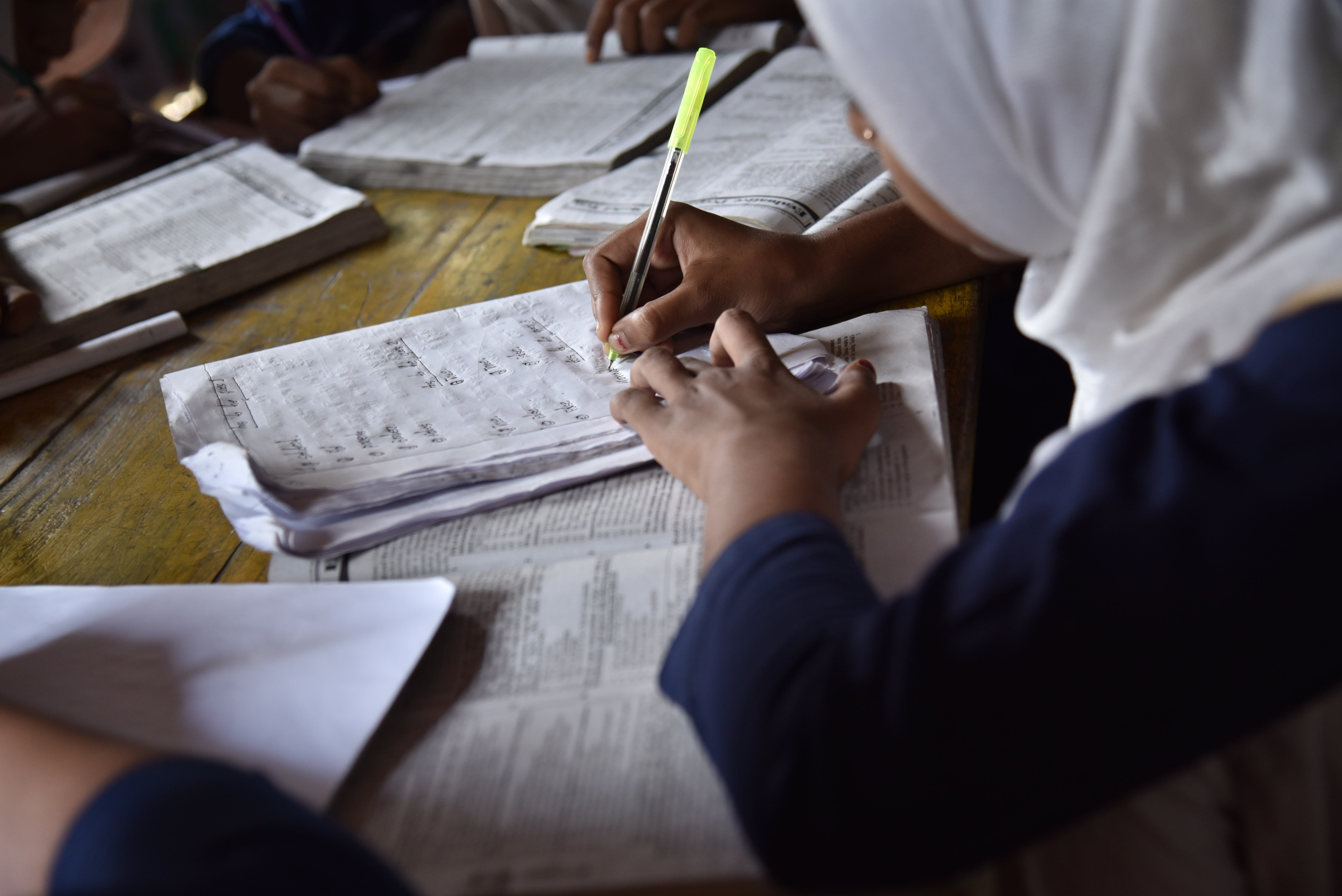
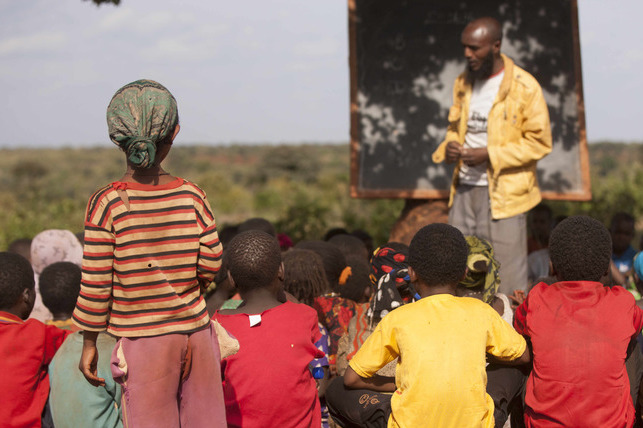
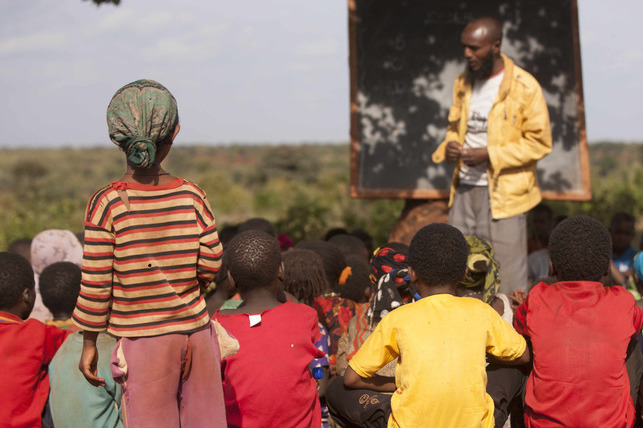
Sierra Leone’s education system faces a shortage of qualified teachers, with nearly one-quarter of teachers holding only basic education or a West African Senior School Certificate and lacking certified training. About 70% of uncertified teachers have been teaching for less than six years. Just 35% of teachers are trained in literacy instruction, and many report low expectations of learner performance. Classroom observations further revealed inefficient use of lesson time, limited lesson preparation, and declining instructional quality toward the end of lessons. These challenges underscored the need for targeted teacher training to improve early-grade literacy and numeracy outcomes.
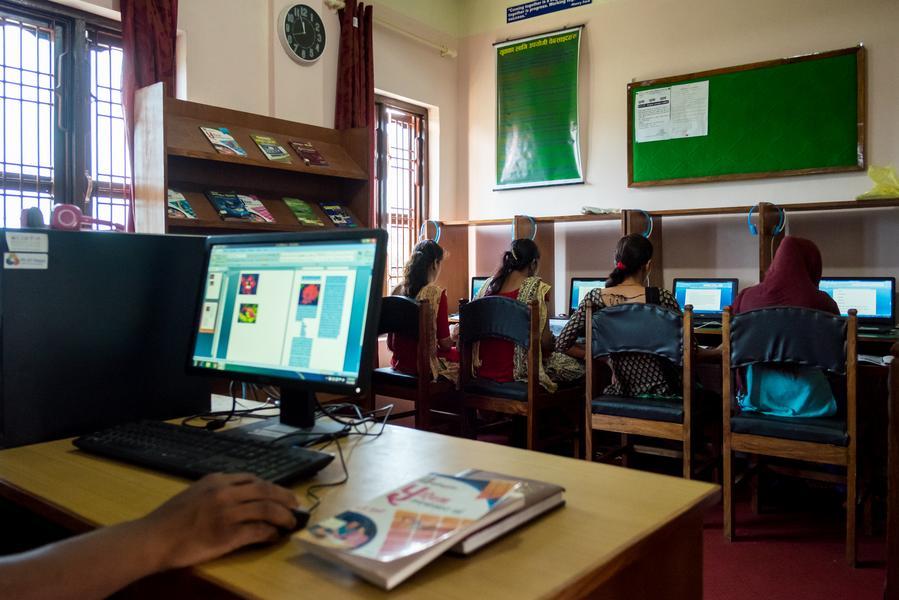
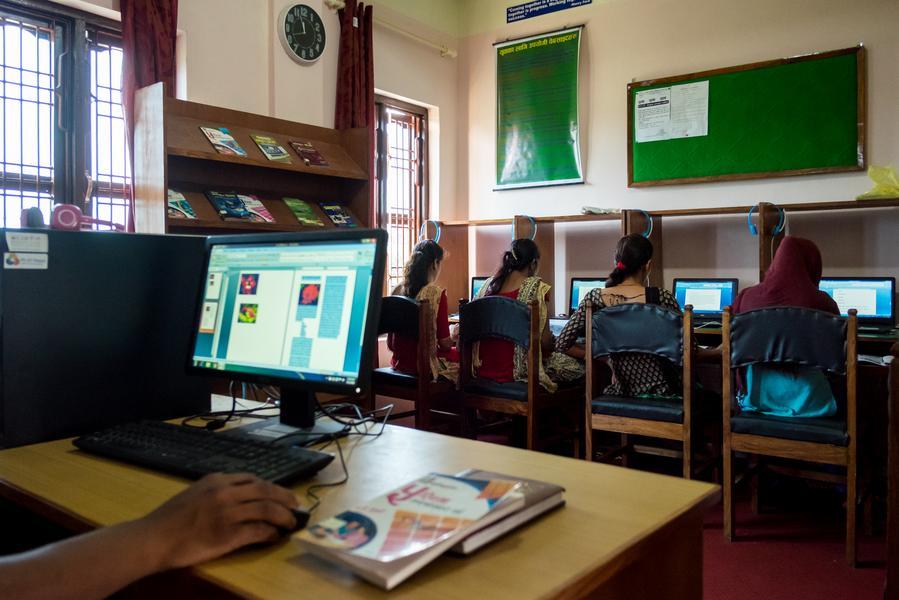
The Early Grade Reading and Mathematics (EGRAM) programme, implemented by EDT in partnership with UNICEF, was designed to strengthen teacher capacity and enhance foundational learning for children in Grades 1–3 across Sierra Leone. EGRAM combines professional development, community-based teacher support, and the provision of age-appropriate learning materials to improve reading and numeracy instruction. The programme also invests in pre-service teacher education, building the institutional capacity of teacher training colleges in line with global best practices. A cascade training model was adopted: trained professional development facilitators subsequently supported teachers in schools across three administrative regions. The goal of the program was to train almost 40% of the primary teachers in Sierra Leone, which was expected to improve learning outcomes for 600,000 children.
By the end of 2022, EGRAM had exceeded UNICEF’s targets, training 180 professional development facilitators, who then reached over 5,000 teachers in 1,386 schools. Monitoring data show substantial learning gains: teachers’ literacy instruction scores improved by 83%, while mathematics scores rose by an exceptional 474%. Enhanced professional development structures and access to quality teaching materials may have strengthened the foundation of early-grade education, contributing to improved classroom engagement and learning outcomes nationwide. EGRAM’s dual focus on in-service training and pre-service institutional strengthening positions it as a cornerstone for sustaining literacy and numeracy improvements in Sierra Leone’s primary education system. However, no independent evaluation report is yet available to confirm the scale or attribution of these outcomes, and further assessment is needed to verify long-term impact.
EGRAM addresses systemic gaps in teacher qualification and instructional quality through scalable, evidence-based professional development. Its cascade training model efficiently extends reach while embedding mentorship within existing education structures. Effective scaling depends on maintaining consistent quality across cascade levels and ensuring facilitators receive ongoing coaching. While the gains in teacher performance are striking, sustained impact will require continuous monitoring, integration into national teacher standards, and institutionalized funding. The program is replicable in similar low-income contexts facing learning poverty, however it requires significant funding support.