

Innovative Finance
August 1, 2024
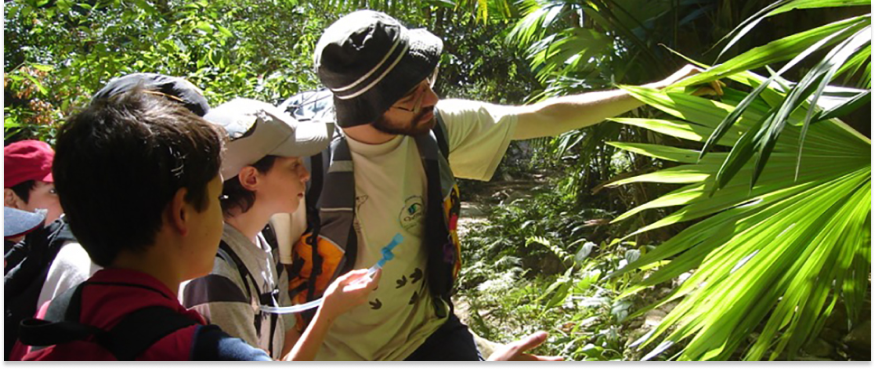


Recognizing the urgent need to strengthen regional capacity for climate change education, the USAID Lowering Emissions in Asia’s Forests (LEAF) program launched a regional initiative to train future climate professionals in Southeast Asia. Despite growing interest in climate-related careers, existing university curricula were outdated and ineffective. In 2012, USAID LEAF partnered with experts from U.S. Forest Service and academics from 14 Asian universities and three U.S. universities to develop a comprehensive, regional climate change curriculum. The goal was to equip universities with rigorous, adaptable teaching materials and ensure that graduates across disciplines such as forestry, agriculture, and environmental science possess the knowledge and tools to address climate challenges.
Between 2012 and 2015, USAID LEAF developed and launched a climate change curriculum to be used in universities in Southeast Asia. The materials and modules were developed based on an initial training needs assessment, which was then refined through multiple tests, trainings, and revisions. Developed through a participatory, experiential learning process, the modules were co-created by academics from multiple Asian universities with technical guidance from U.S.-based experts. The completed curriculum consisted of four comprehensive, ready-to-use modules: (1) Basic Climate Change; (2) Social and Environmental Soundness; (3) Low Emission Land Use Planning; and (4) Carbon Measurement and Monitoring. The curriculum provides detailed syllabi, PowerPoints, case studies, role plays, facilitator notes, and standard operating procedures, enabling interactive, hands-on learning. Professors pilot-tested and revised materials to ensure regional relevance. To promote scalability, the project adopted a Training-of-Trainers (ToT) approach: preparing lead instructors to train peers within and across countries. By the program’s end, the materials were adopted by 60+ universities and made freely available online for integration into existing degree programs, ensuring continued accessibility and expansion. The core curriculum has been modified to suit local and national contexts, enabling participating professors to use the materials in training the next generation of climate leaders and professionals.
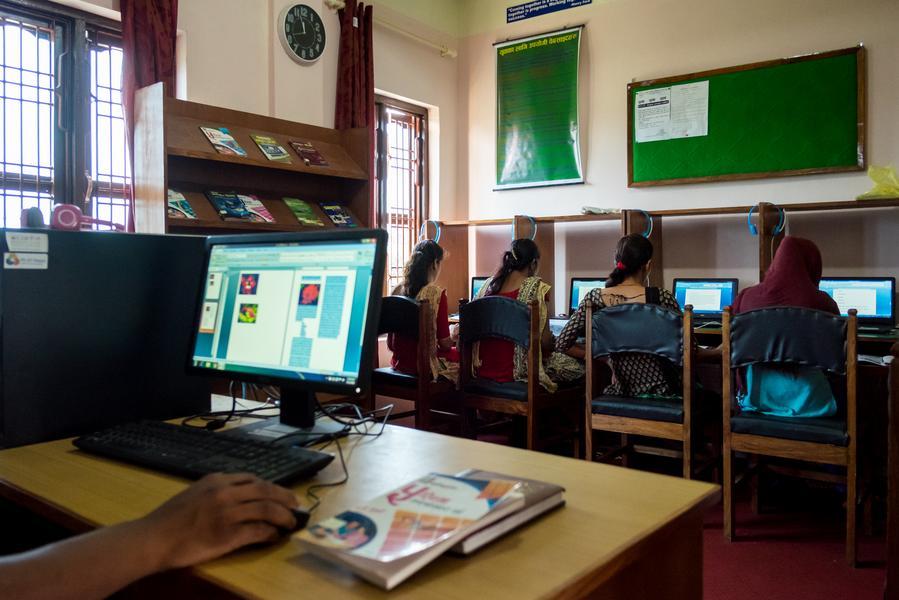
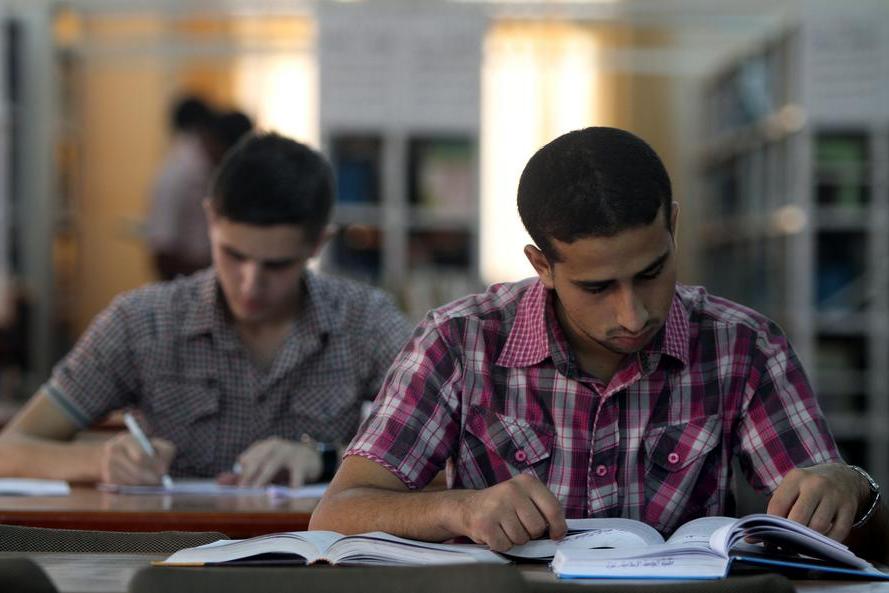
The curriculum has transformed climate education across Southeast Asia, fostering a growing network of climate-literate educators and students. By 2016, over 700 instructors from 63 universities were trained on the USAID LEAF modules, and more than 30,000 students are taught with materials from these modules each year. Participating educators report higher confidence, improved teaching skills, and greater engagement among students, who find the updated content relevant and dynamic. Professors have become master trainers, leading rollout events in Thailand, Vietnam, Cambodia, and Laos, and adapting content to national needs. The program’s open-access design, supported by RECOFTC’s e-learning platform, ensures long-term availability of all teaching materials. The curriculum’s integration into regional universities has laid the foundation for a new generation of professionals capable of addressing the social, scientific, and policy dimensions of climate change.
The USAID LEAF curriculum demonstrates how participatory design, experiential learning, and open-access dissemination can drive regional education reform. Its ToT model ensure high replicability and rapid scale-up across institutions. By embedding flexible, ready-to-use content into existing courses, it overcomes barriers to curriculum adoption. However, sustained success depends on continued institutional support and teacher capacity-building. Without training, new educators may struggle to apply the materials effectively. Replicability is highest in well-resourced academic systems, while expansion into less-developed contexts may require additional support mechanisms. Overall, the program offers a scalable model for strengthening climate education systems in the Global South.