



Innovative Finance
August 1, 2024

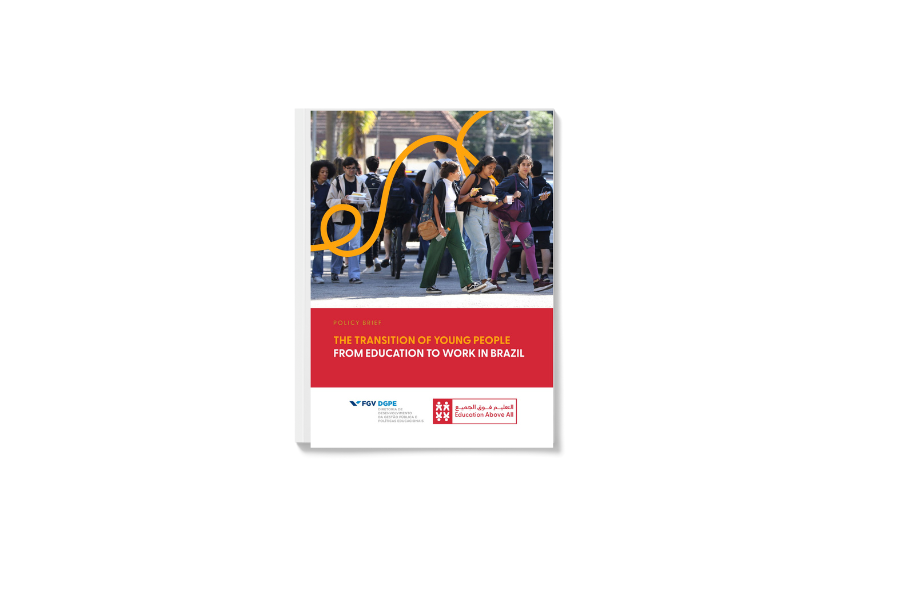


This policy brief, "The Transition of Young People From Education to Work," examines the complex challenges young people face in transitioning from school to the workforce. It highlights persistent inequalities shaped by class, race, gender, and territory; the phenomenon of “prolonged youth” caused by extended schooling and barriers to formal employment; and the pressing issue of young people leaving school early due to the need to work. The paper also explores the precariousness and informality that define much of Brazil’s labor market.
What This Policy Paper Offers
Analysis of Structural Barriers: Unpacks inequalities across social groups, early work, precarious labor, and the “no-no” youth phenomenon.
Insights into Cultural and Social Dynamics: Examines youth as a social construct, the “sense of knowledge,” and non-linear transitions to adulthood.
Evidence-Based Recommendations: Proposes strategies to prevent dropouts, expand integrated training, support underrepresented groups, strengthen data monitoring, and implement intersectoral and care policies.
Why It Matters
The challenges faced by Brazilian youth reflect deep structural inequalities and governance gaps. At a time when Brazil benefits from a demographic bonus—where the working-age population outnumbers dependents—urgent reforms are needed. Ensuring full educational, social, and economic inclusion of youth will be critical to harnessing this opportunity.
[Read the full policy paper] to discover how aligning education and labor systems, strengthening governance, and investing in social capital can create a resilient and inclusive future for Brazil’s youth