
Innovative Finance
August 1, 2024
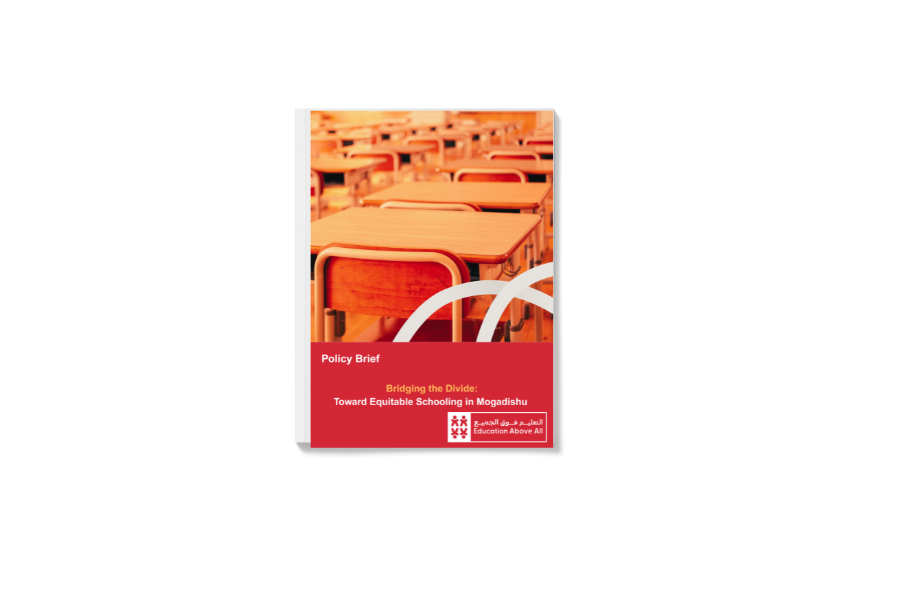
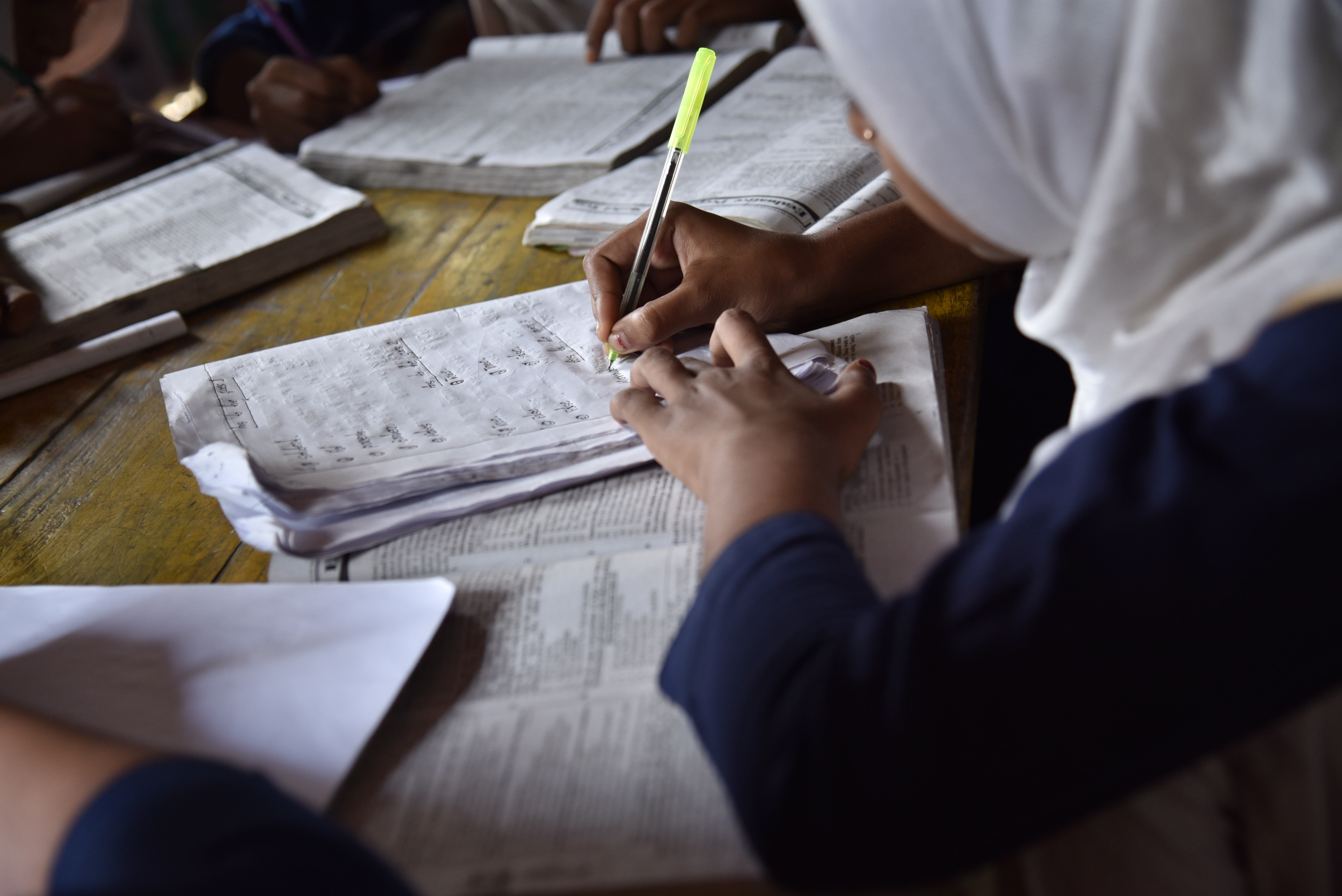
This policy brief, "Bridging the Divide: Toward Equitable Schooling in Mogadishu," explores the root causes of educational exclusion and provides actionable solutions for policymakers. It draws on insights from interviews conducted with families, educators, and policymakers.
 Download

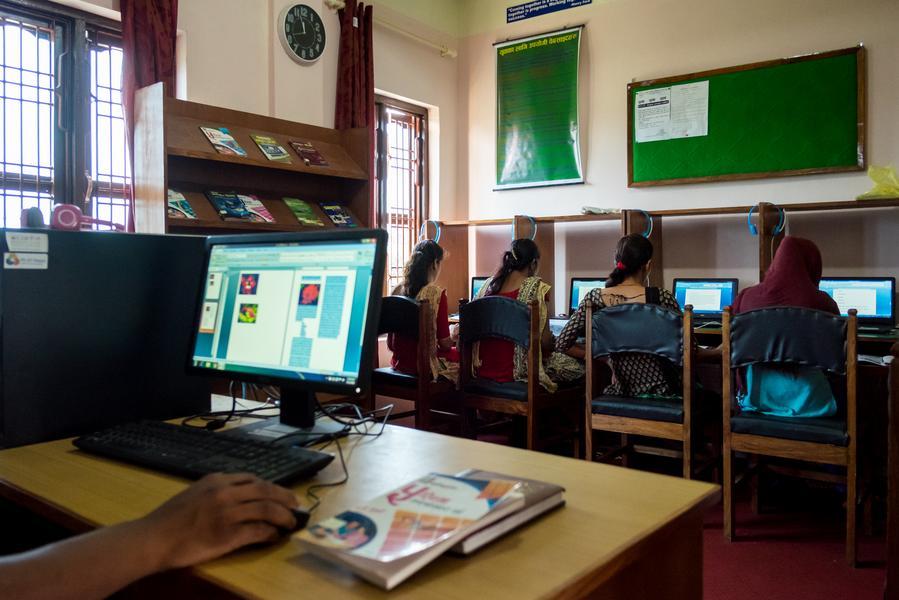
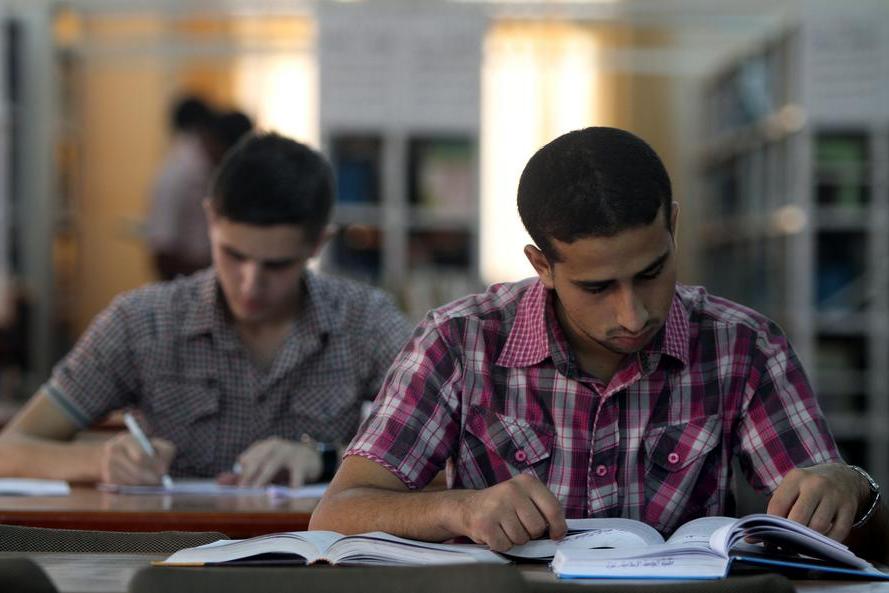
This research critically analyses foreign aid flows to higher education in Palestine during 2002–2022, with the aim of elucidating historical trends, patterns and donor priorities. The study systematically examines the types and volumes of aid allocated to higher education by donors reporting official development assistance to the Organisation for Economic Co-operation and Development.
Download
The Sustainable Development Goals (SDGs) have been guiding global development agendas and shaping foreign aid priorities since 2015. While higher education is part of the broader agenda, the SDGs do not specify support for local systems and institutions in developing countries that require assistance. At the same time, the SDGs call for expansion of scholarship aid to enable citizens of developing countries to study in donor countries. Using the Organisation for Economic Co-operation and Development’s aid flows data and focusing on types of aid and recipient and donor trends, we analyse aid flows to higher education to assess if the focus on scholarships has had an impact on donors’ choices during the first seven years of the SDG implementation.
Download
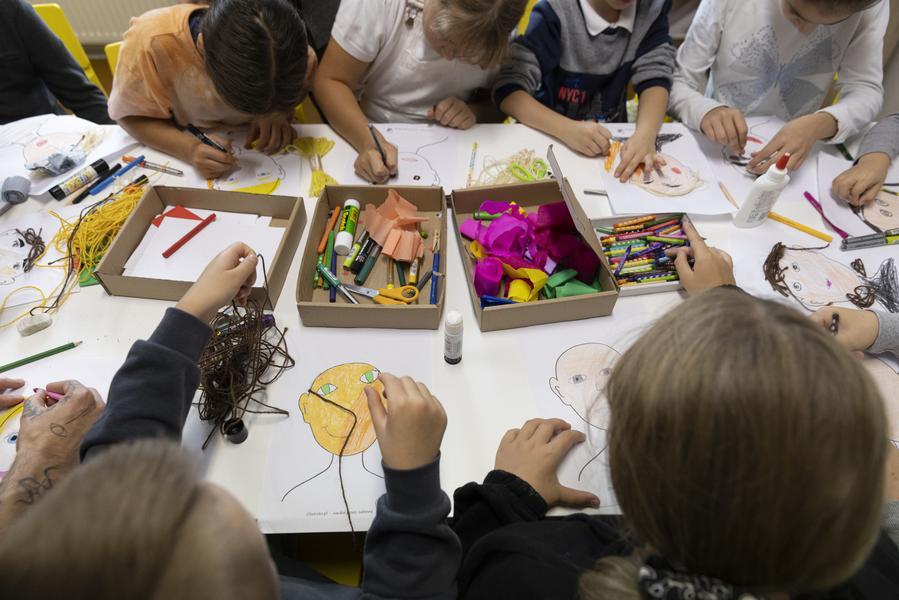
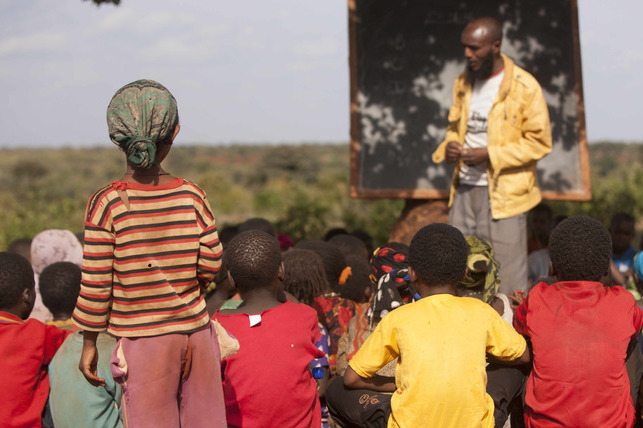
Since the 1950s, the Nigerian government has undertaken reforms and assessments to improve educational planning and delivery. Schemes and legal frameworks such as Universal Basic Education, Open School Programs and Alternative Schools, the Universal Basic Education Act, and the Child Rights Act exemplify efforts to universalize elementary education in the country. This policy brief, "Overcoming Policy Paralysis to Reduce Out-of-School Children in Nigeria," examines how chronic underfunding and inefficient resource management have contributed to one of the highest global rates of out-of-school children.
Download