









Innovative Finance
August 1, 2024



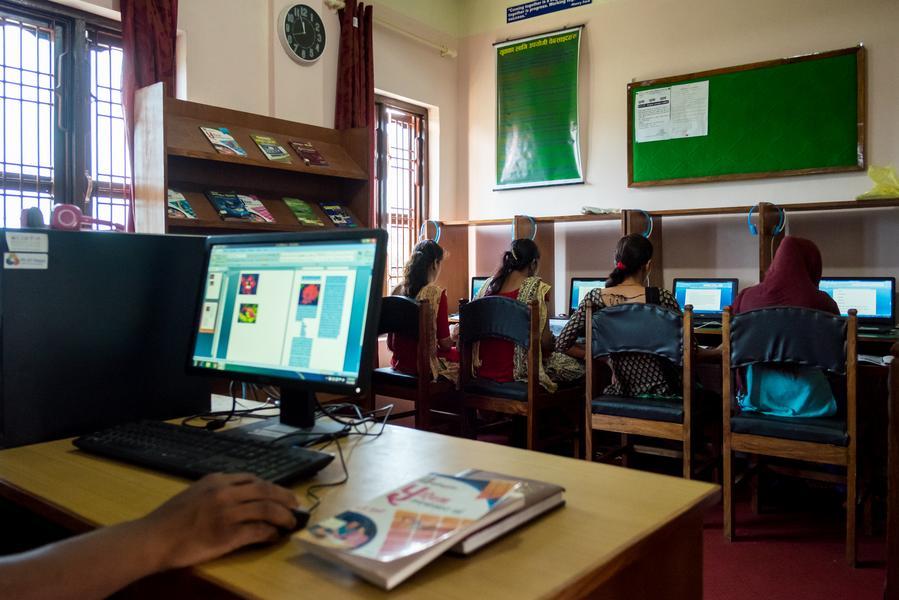
Higher education is rapidly expanding in the Global South, but this growth has widened the quality gap with the Global North. Despite increased investment, soaring student numbers have reduced per-student spending, leading to overcrowded classrooms and overburdened faculty. Student-to-teacher ratios remain much higher in the Global South, weakening student engagement and overall learning quality. Meanwhile, funding per student continues to rise in the North but declines in the South, exacerbating disparities. Although AI integration in education offers potential solutions, efforts remain very limited across the Global South, leaving many institutions without technological innovations that could help address these systemic challenges.
Telkom University in Indonesia is piloting the use of LLMs like ChatGPT across five courses to improve teaching and learning quality. The project pairs experimental classes using LLMs with control classes without them, supported by a specially designed learning assistant application. Students interact with LLMs through monitored prompts while instructors supervise. Research methods include assignment and examination comparisons and surveys like the Motivated Strategies for Learning Questionnaire (MSLQ) to assess impacts. The initiative aims to design effective student-LLM-instructor interactions, reduce faculty workloads, and enhance student learning, offering a model for wider AI integration in the Global South.
Integrating LLMs could reduce instructor workload and boost student motivation if properly managed. In theory-driven subjects like mathematics, LLMs can offer diverse explanations, while in practice-based subjects, they can help focus learning on key concepts. For foundational courses, LLMs can personalize practice tasks, and in creative fields, they can assist group work and idea generation. However, ethical concerns, data security risks, and the cost of LLM access must be addressed, especially in resource-limited contexts. Long-term, LLMs could also strengthen students’ soft skills like critical thinking and adaptability, contributing to a more resilient and future-ready workforce
The integration of LLMs into university education in the Global South, as piloted by Telkom University, shows strong potential for replicability and scalability. Its reliance on widely available technologies like ChatGPT, coupled with a structured and adaptable learning assistant application, makes the model easy to replicate across diverse academic settings with minimal technical adjustments. The solution’s flexibility across disciplines and its low infrastructure demands further enhance its replicability. In terms of scalability, the model can be expanded progressively—from pilot classes to entire departments and institutions—leveraging the growing digital access in many Global South countries. However, successful scaling will require strategic investments in infrastructure, faculty training, and the development of ethical guidelines to manage risks related to data privacy and content accuracy. Partnerships with edtech companies and governments could also help address financial barriers, making the LLM integration model a practical pathway to improving higher education quality at a larger scale.