





Innovative Finance
August 1, 2024



In Lisbon, students from low socioeconomic backgrounds face significant challenges in achieving academic success, particularly in foundational subjects such as Portuguese and mathematics. Socioeconomic disparities often result in limited access to educational resources and enrichment opportunities, leading to lower academic performance and higher failure rates in key subjects. This academic gap not only affects individual students’ prospects but also perpetuates broader social inequality. Recognizing the need for targeted interventions to address these disparities, the Gamezone Lisboa project was launched with the goal of improving literacy and numeracy outcomes for these students.
The project focuses on leveraging technology and cultural heritage to create an engaging learning environment that encourages students to develop essential skills in Portuguese and mathematics. By integrating education with local cultural exploration, the initiative aims to enhance students' motivation, increase engagement, and ultimately improve academic outcomes.
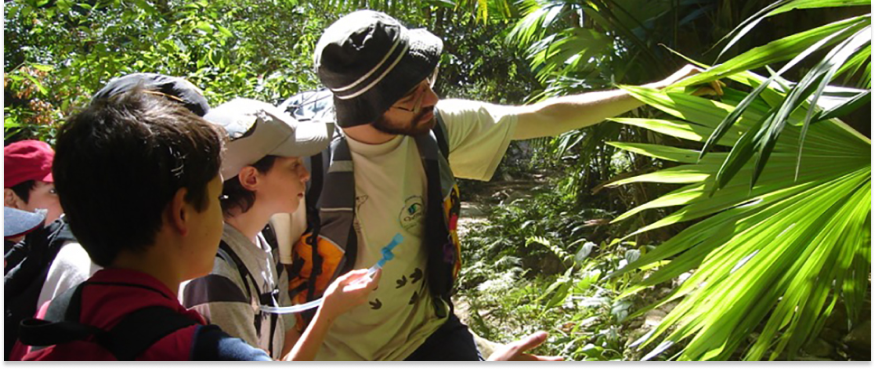
The Gamezone Lisboa project addresses the academic challenges faced by students from low socioeconomic backgrounds by introducing an innovative pedagogical tool known as SPOT Literacy in the Public Space. This tool is a multimedia game designed to promote literacy and numeracy through interactive challenges embedded within the cultural heritage of Lisbon. The game blends digital technology with real-world exploration, encouraging students to engage with their local environment while developing critical skills in Portuguese and mathematics.
Teachers play a central role in this intervention, using SPOT Literacy as an educational resource to complement traditional classroom instruction. The game offers a series of challenges tailored to different learning levels, allowing students to practice and apply their knowledge in a fun, interactive manner. By connecting learning to the city’s cultural landmarks, the project fosters a sense of belonging and curiosity, making learning more relatable and engaging for students. Additionally, the multimedia format accommodates diverse learning styles, ensuring that students with varying abilities can benefit from the intervention.
The solution also includes capacity-building for teachers, ensuring they are well-equipped to integrate this tool into their teaching strategies. Regular assessments are conducted to monitor students’ progress and adjust the game’s content as needed, ensuring that learning remains aligned with curriculum goals.
The Gamezone Lisboa project is expected to significantly improve educational outcomes for students from low socioeconomic backgrounds by reducing failure rates in Portuguese and mathematics. Specifically, the intervention aims to achieve a 10% reduction in the rate of failure in these subjects compared to a control group. By offering a novel, engaging approach to learning, the project helps students develop essential skills in a way that is both effective and enjoyable.
Beyond immediate academic gains, the project fosters long-term benefits by increasing students’ confidence and interest in learning. Improved literacy and numeracy skills provide a stronger foundation for future academic success, reducing dropout rates and enhancing students’ opportunities for higher education and employment. Moreover, by integrating Lisbon’s cultural heritage into the learning experience, the project strengthens students’ connection to their local community, promoting social inclusion and cultural awareness.
In the long run, the Gamezone Lisboa project has the potential to serve as a scalable model for other municipalities facing similar challenges. Its innovative use of technology and cultural resources demonstrates how education can be transformed to meet the needs of diverse learners, ultimately contributing to greater educational equity and social cohesion.
The Gamezone Lisboa project addresses critical educational barriers faced by students from low socioeconomic backgrounds by providing an innovative, engaging solution that integrates technology, cultural heritage, and foundational skill development in Portuguese and mathematics. By leveraging a multimedia game-based learning tool, it enhances student engagement, improves learning outcomes, and fosters a stronger connection to local culture. The project is highly replicable, as its core design can be adapted to different contexts by tailoring content to reflect local cultural heritage and curricula. Its scalability potential is strong, given the digital nature of the solution, which allows for cost-effective expansion across schools and regions. However, successful replication and scaling require investment in teacher training, infrastructure, and localized content development. Overall, the Gamezone Lisboa project presents a promising model for improving educational equity and reducing academic failure rates in underserved communities.