




Innovative Finance
August 1, 2024


Context
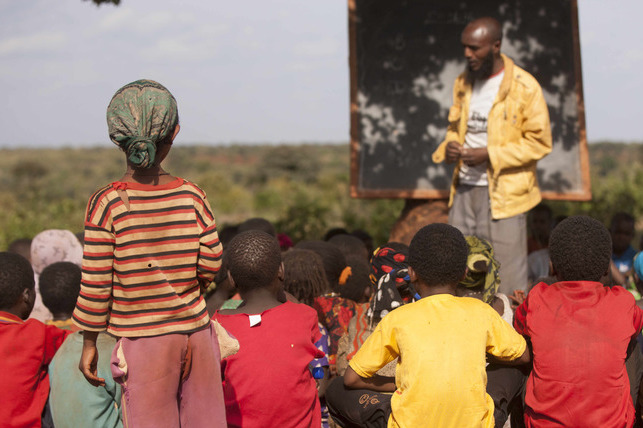
Sub-Saharan Africa faces ongoing political instability and displacement. Refugees in the region are especially marginalized, with access to education remaining significantly below global averages. Gross enrollment among refugees in the East, Horn of Africa and Great Lakes region stood at 2.1% for tertiary education in 2022. This acute lack of access limits both individual opportunity and societal development. The Leadership for Africa programme aims to build a pipeline of educated leaders among refugees and nationals from Sub-Saharan African countries, who can contribute to long-term regional reconstruction.
Solution
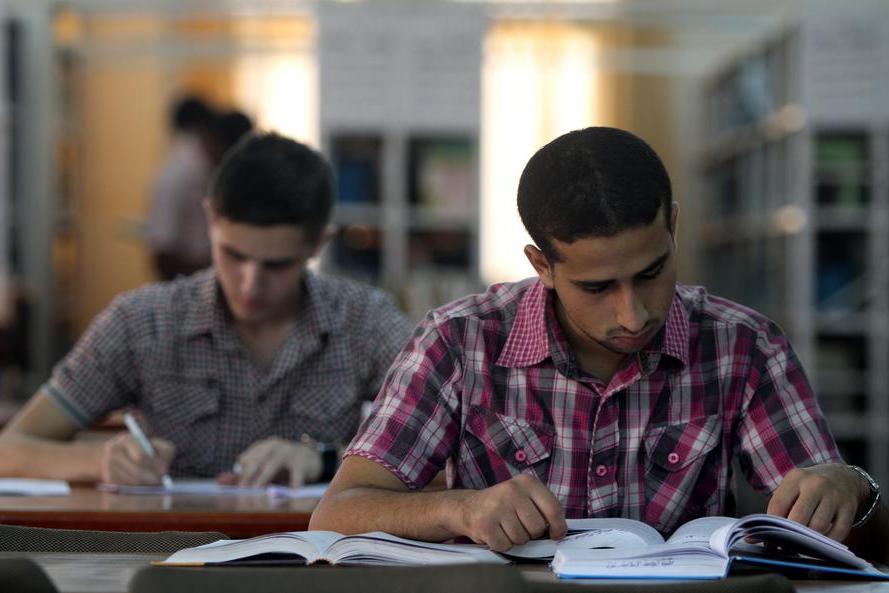
Launched in 2021, the Leadership for Africa (LfA) is a full-scholarship programme enabling highly qualified refugees and nationals from select Sub-Saharan African countries to pursue master’s degrees in Germany (excluding medicine, law, fine arts, and healthcare-related fields). The programme covers German language training (up to 6 months), tuition-free university admission, a monthly stipend, health insurance, and travel costs. Dissemination is managed through the DAAD portal in collaboration with UNHCR. The selection is based on academic merit, motivation, and social engagement, while also considering socio-economic disadvantage and migration background. Scholars also participate in complementary training in governance and civil society.
Impact
The programme offers potential long-term impacts by strengthening human capital in crisis-affected regions of Africa. While concrete outcome evaluations are not publicly available yet, the structured integration of civic and leadership training along with the masters education in German universities. suggests a capacity-building model aimed at both educational and institutional transformation. Further evaluations and assessments need to be done to establish attribution from this intervention that could in actual illustrate the impact in real terms.
LfA’s design supports scalability through standardized application procedures, online dissemination, and partnerships with UNHCR, enabling efficient outreach and processing across regions. It provides a model that combines distinct components such as financial support, academic training, and civic education. These elements can be adapted to suit different refugee-hosting contexts and the specific needs or preferences of various awarding bodies. However, while the programme is adaptable, its replicability is somewhat limited by its reliance on substantial funding and the administrative capacity of a well-developed host country like Germany. It would be difficult to be replicated in low-resource contexts, but it remains replicable among similarly resourced actors or institutions with strong international education systems and refugee policy frameworks.