


Innovative Finance
August 1, 2024


Policymakers worldwide prioritize understanding effective strategies for reducing violence, including violent extremism. Many strategies are based on conventional wisdom or anecdotal information on what are perceived to be the drivers of violence. Among these, the lack of equitable, quality education and political marginalization are often cited as drivers for youth joining violent groups. However, to effectively address the growing threats of political violence and violent extremism in fragile and conflict-affected contexts, empirical research that tests the impact of programs meant to reduce violence is needed.
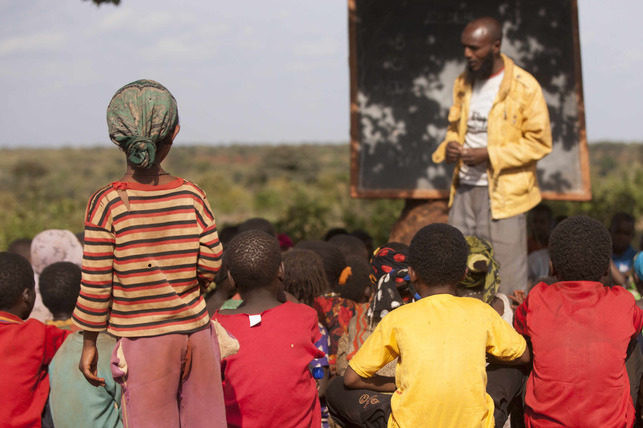
While Somalia has relative stability, it sees a persistent threat from violent extremism and clan conflict. While it has largely escaped the violent extremist group Al Shabaab, the danger that violent extremism may spread to the rest of Somalia is not negligible. In the midst of these developments, Somali youth are often at the center of ongoing debates. Youth, who account for 75% of Somalia's population, according to the United Nations Population Fund, can significantly shape Somalia's future trajectory. The Government of Somalia has recognized the importance of youth in building stability and has thus invested in education opportunities to help them gain the skills they need to become productive citizens, thereby reducing the risk of turning to violent extremism.
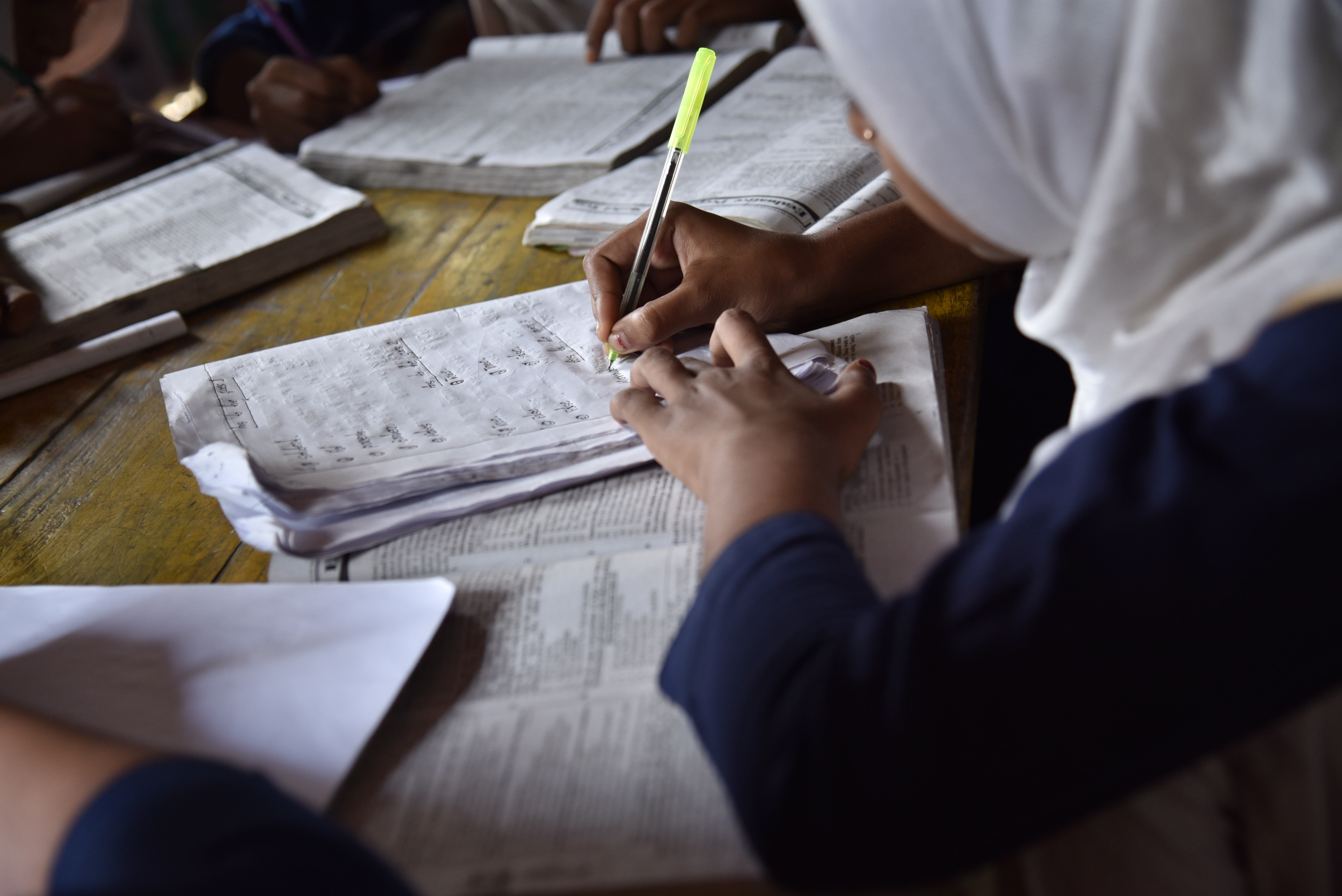
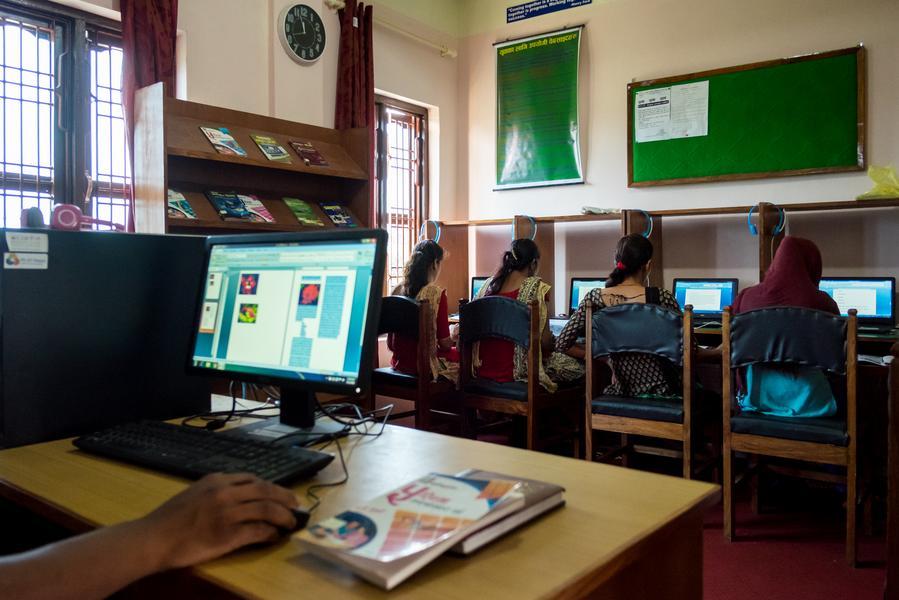
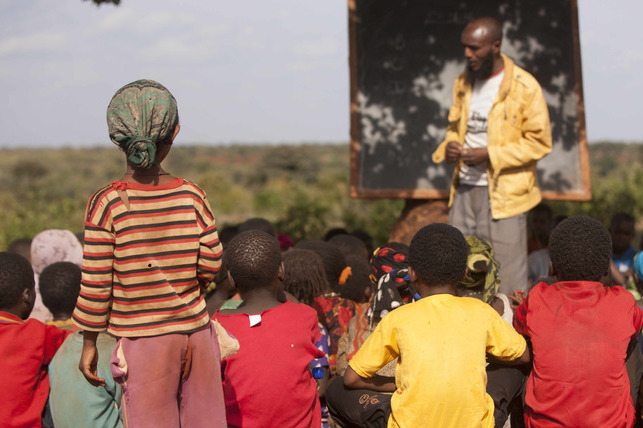
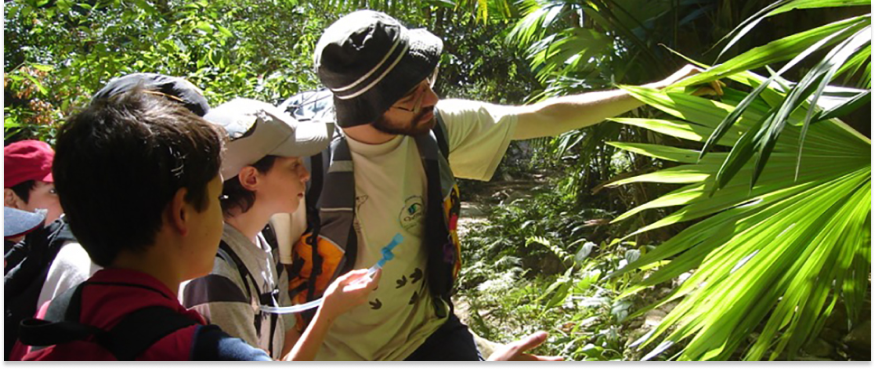
To address the gap through empirical research, the Mercy Corps conducted a comprehensive impact evaluation of the Somali Youth Leaders Initiative (SYLI), a stability-focused youth program in Somalia, over a 5-year period. The impact evaluation of SYLI focused on two program components: formal secondary education and civic engagement activities. Under the first component, the SYLI program expanded school access for youth across Somalia by constructing and rehabilitating schools, training teachers, and developing Community Education Committees. In total, the program opened 60 secondary schools in Somalia, which provide access to education for an estimated 45,000 Somali youth. The second component focused on helping youth in schools become leaders in their communities through skill-building and organizing community action campaigns. The program identified 22 youth leaders in each of the new secondary schools to serve as peer mobilizers. They were trained in areas of conflict analysis, peacebuilding, teambuilding, and leadership. Youth leaders would then apply their new skills to address concrete local issues drawn from their daily experiences.
Using survey data primarily from Somaliland, where the program has been operational for the longest duration, the study compared attitudes and reported violent behaviors among youth participating in the program and those outside of it. Additionally, in-depth interviews were conducted with various stakeholders, including teachers, community leaders, government officials, and youth.
The SYLI was evaluated through a mixed-methods, quasi-experimental impact evaluation comparing youth participating in program-supported schools with matched out-of-school peers in Somaliland. The findings showed that expanding access to secondary education alone produced mixed outcomes. Participation in political violence fell by 16%, but support for political violence increased by 11%, suggesting that while schooling reduced youth's involvement in violence, it also heightened frustration by raising expectations that were not matched by improvements in employment prospects or perceptions of education quality. Students reported feeling less socially isolated, yet were also less optimistic about future employment and more dissatisfied with government-provided education.
The addition of structured civic engagement activities fundamentally altered these outcomes. Youths who participated in both secondary education and student-led community action projects were 14% less likely to report participating in political violence and 20% less likely to believe political violence was sometimes necessary. Indirect survey measures also found a 16% reduction in support for political violence. Civic engagement strengthened participants' sense of agency, civic responsibility, and confidence in non-violent methods of influencing their communities. Youth reported believing they could make a positive difference locally and viewed peaceful actions as effective ways to achieve change.
The SYLI program demonstrates that improving access to education alone is not sufficient to reduce the underlying drivers of instability. While secondary education decreased participation in political violence, it also increased support for political violence by raising expectations that were not matched by improved employment prospects or confidence in government. This was already acknowledged as a risk: education can raise awareness of historical injustices and heighten expectations, which, if unmet, can turn into frustration and anger.
The program's innovation lies in pairing education with structured, student-led civic engagement, which channeled young people's frustration into constructive community action. By strengthening agency, civic responsibility, and confidence in non-violent avenues for change, the combined model achieved more consistently positive peacebuilding outcomes